


Wanderboat: Local Guide
UTA AI Inc.
I approached Wanderboat: Local Guide as the kind of travel app I would open when I had a destination in mind but no clear plan yet. Its simple promise is appealing: help me move from “What should I do here?” to a practical idea I can actually use. As a free Travel & Local app from UTA AI Inc., it is aimed at everyday discovery rather than replacing every tool I already use for maps, reservations, transport, or detailed trip management.
That distinction matters. Wanderboat works best as a starting point for choosing what deserves my attention in a place. I would not treat it as the only app for a complicated journey, but I can see its value when I want inspiration that feels more focused than a general web search. The store summary, “Live your best life,” is broad, while the short description simply identifies it as Wanderboat. In practice, the useful question is whether it helps me make a better local decision with less wandering through unrelated results.
What the first session feels like
The first thing I would tell a new user is not to expect a traditional booking app. The experience is better understood as a conversational or discovery-led guide: I bring a place, an interest, or a loose plan, and the app helps turn that starting point into something more concrete. That makes it suitable for travelers who enjoy choosing as they go, as well as residents looking for a different way to explore their own area.
For example, I might be visiting a city for one free afternoon and know only that I want food, a walk, and something that does not feel like the most obvious tourist stop. Instead of opening several tabs and comparing scattered suggestions, I would use Wanderboat to narrow the idea into a manageable outing. The important benefit is not merely receiving a list. It is reducing the mental effort involved in deciding where to begin.
That also explains who may want to skip it. If I already have a complete itinerary, a preferred mapping service, and a reliable booking workflow, another discovery app may add an extra step rather than save time. Likewise, someone who needs highly precise information about accessibility, opening conditions, transport changes, or reservations should verify those details through dedicated sources before setting out. I see Wanderboat as a planning companion, not a guarantee that every practical travel detail is settled.
Related News

Why WhatsApp Messenger Still Makes Everyday Communication Feel Easy

Jurassic World: The Game Is the Better Dino Tycoon for Strategic Players

Threads in Real Life: Who Should Join, Lurk, or Leave

How SHEIN Turned Shopping Into an Endless Content Feed

How to Make Fortnite Feel Smarter on Mobile

Should You Switch to Microsoft Outlook on Mobile?
The app has reached over one hundred thousand installs and carries an average rating of 4.1 from around two hundred ratings. Those figures suggest a developing product with a real user base, but not one I would confuse with a universally established travel standard. I would install it with realistic expectations: useful for shaping a plan, while still keeping ordinary travel checks in my routine.
What I would prepare before opening it
A first-time user will get more from the app by deciding what kind of answer they want. “Things to do” is a reasonable beginning, but a request with a little context is more useful. I would include the destination, the amount of time available, the people I am with, and one preference such as food, scenery, culture, shopping, or a relaxed pace. This gives the guide a real problem to solve instead of asking it to produce an endless catalogue.
I would also think about the difference between inspiration and commitment. During the inspiration stage, I am happy to compare several ideas and save a rough direction mentally. Before leaving, I would check the selected place using a map or the venue’s own information. That two-stage workflow is one of the most practical ways to use Wanderboat: let it help with choice, then use a more specialized service for confirmation.
Gallery
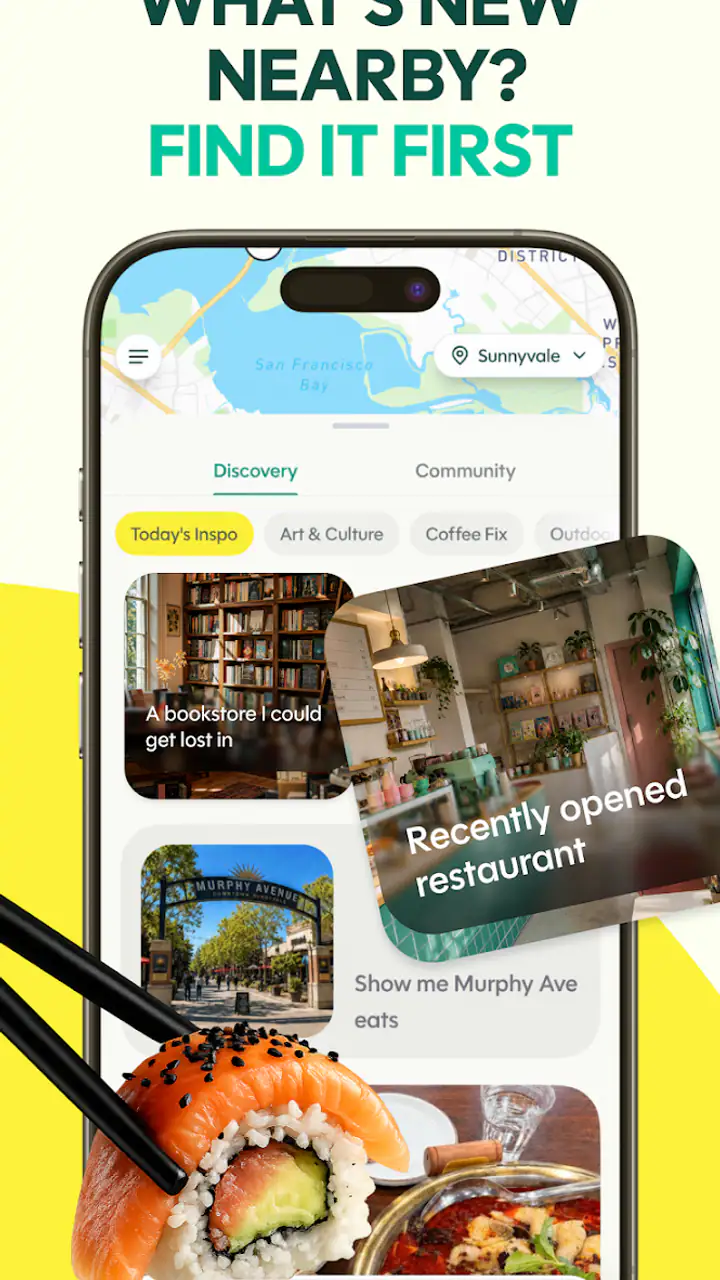
Because the app is free, there is little financial risk in trying it. It is marked for Everyone, which makes it approachable for a broad audience, although an age label should not be mistaken for a promise that every recommendation will suit every family. Parents planning an outing with children should still judge the activity, distance, and surroundings themselves.
Setting up without overthinking it
My advice for the first launch is to keep the setup simple. Start with one destination and one clear intention rather than trying to configure an entire holiday. If the app presents a place or preference choice, use the location that matters for the immediate decision. A nearby weekend idea and a long international trip require different kinds of thinking, so beginning with a small, familiar question makes it easier to judge the quality of the results.
The current version is 1.5.5, and the stated minimum operating-system requirement is version 10. That is worth checking before installation, especially if I am using an older phone or preparing a family member’s device. Once installed, I would avoid treating the first screen as a test I have to pass. The fastest route to understanding the app is to ask for one realistic outing I might genuinely take.
I would also keep my first request specific enough to be useful but open enough to allow discovery. A prompt such as “I have a free afternoon in the city and want a relaxed food-and-walk plan” gives the app a direction without forcing a rigid itinerary. If my first result feels too broad, I would refine the request instead of concluding immediately that the whole service is unsuitable. Discovery tools often become more valuable when the user explains the trade-off that matters most.
The first meaningful success
For me, a successful first session would end with one plausible plan, not ten screens of possibilities. I would choose a destination, describe the time available and the mood I want, then look for a suggestion that answers three practical questions: what kind of experience is it, why might it suit me, and what should I investigate before going?
Imagine arriving in a city after lunch with a few hours before an evening appointment. I do not want a major attraction that requires a long queue or a complicated cross-town journey. I want a compact area where I can eat, walk, and see something distinctive. Wanderboat is useful in that moment if it helps me frame the outing around those limits rather than simply naming famous places. I can then select one direction, check travel time in my usual map app, and keep the rest of the afternoon flexible.
A less obvious but valuable workflow is to use the app for comparison rather than asking it to make the final decision. I might request a calm option and a livelier option, or compare a food-focused afternoon with a scenic walk. This exposes the trade-off between atmosphere, convenience, and variety. It is more helpful than collecting recommendations that all sound attractive but compete for the same limited hours.
Another useful approach is to treat the first answer as a draft. If a suggestion is too tourist-oriented, too expensive for my plans, too active, or too far away, I would state that directly in the next interaction. The practical insight is that the quality of the outcome depends partly on how clearly I describe what I do not want. “No long travel, no formal dining, and suitable for a rainy afternoon” is far more actionable than repeating “give me more ideas.”
Where confusion can appear
The main point of confusion is likely to be the boundary between a guide and a live travel utility. A recommendation can be appealing without being a current confirmation of availability, opening hours, local restrictions, or booking status. I would never leave for a time-sensitive activity based only on a general suggestion. Before committing, I would confirm the important detail through the venue, transport provider, or map service.
Location can create another layer of uncertainty. A place that looks close on a list may be inconvenient because of hills, transfers, traffic, weather, or the time needed to find an entrance. I would use the app to identify the kind of outing I want, then inspect the route separately. This is especially important when traveling with children, older companions, luggage, or anyone with limited mobility.
I would also be careful with the word “local.” It can mean neighborhood-oriented, less famous, or simply relevant to the selected destination. Those are not identical. If I want somewhere genuinely quiet or away from the busiest visitor areas, I would say so and still apply my own judgment. A recommendation that sounds local may remain popular, and popularity is not automatically a weakness; it simply affects the atmosphere I should expect.
Another trade-off is breadth versus precision. A discovery app can help me notice possibilities I would not have searched for directly, but broad suggestions may require more filtering than a specialist app. If my priority is a precise restaurant booking, a detailed transit route, or a current event schedule, I would move to the service designed for that job. Wanderboat earns its place earlier in the process, when I am deciding what kind of experience to pursue.
Using it alongside familiar alternatives
Compared with a standard map application, Wanderboat is more useful when I have a vague intention rather than an exact address. Maps are excellent for distance, directions, and nearby search, but they can leave me comparing pins without understanding which combination would make a satisfying afternoon. Wanderboat’s role is to add context and shape the outing before I commit to individual locations.
Compared with a review platform, it may be more helpful for connecting several interests into one idea. Review platforms are often stronger when I already know the venue or category I want and need detailed opinions. I would use those platforms to inspect a final restaurant or attraction, while using Wanderboat to decide whether that restaurant belongs in the day at all.
Compared with a fully structured itinerary planner, the advantage is flexibility. A rigid schedule can be reassuring for a complex trip, but it can also make a short local outing feel like work. Wanderboat suits the middle ground: enough direction to avoid wasting time, without requiring me to lock every hour in advance. The drawback is that I may need to do more of the final organizing myself.
This combination is where I think the app makes the most sense. I would discover with Wanderboat, verify with direct sources, navigate with maps, and book through the relevant provider. That may sound like several tools, but each one handles a different risk. Trying to force a single app to perform all those jobs is usually less reliable than accepting a small, deliberate handoff between them.
Small habits that improve the results
First, I would include a time boundary. “I have two hours” produces a more realistic starting point than “plan my day,” particularly when I am already in a city and do not want a long transfer. Second, I would name the people involved. A solo walk, a couple’s evening, and a family outing have different standards for pace, cost, noise, and convenience.
Third, I would ask for contrast. Requesting a quieter alternative, a weather-friendly alternative, or an option close to where I already am helps reveal whether the app can adapt to real constraints. This is more informative than repeatedly asking for additional recommendations. It also gives me a fallback before the day begins, which is useful when plans change.
Fourth, I would separate “interesting” from “practical.” I might ask for an unusual idea first, then ask which option is easiest to reach and fit into my available time. That two-step process preserves the fun of discovery while preventing an attractive but unrealistic suggestion from taking over the plan.
Finally, I would save the reasoning behind my choice in my own notes. The app may help me select a direction, but retaining the address, expected timing, and backup plan makes the outing less dependent on reopening a recommendation at the exact moment I need it. This is a small habit, yet it turns casual inspiration into a more dependable travel routine.
Who will enjoy it most
I would recommend Wanderboat to first-time visitors who feel overwhelmed by too many possible activities, residents who want to break out of their usual routine, and flexible travelers who prefer a loose plan over a fixed schedule. It is particularly appealing when the question is “What would make this free time worthwhile?” rather than “How do I reach this exact place?”
It can also help people who are traveling with a clear mood in mind. Maybe I want a slow morning, a food-centered evening, a scenic break between meetings, or an activity that works when the weather changes. Describing that mood gives the app a more human starting point than searching by a generic attraction label.
I would be more cautious recommending it as the primary tool for travelers with strict accessibility requirements, tightly timed connections, complex group logistics, or non-negotiable reservations. Those users can still use it for ideas, but the final plan should come from sources that provide the exact operational information they need. The same applies to anyone who dislikes filtering suggestions or prefers a complete, confirmed itinerary before leaving home.
The practical next step after installation
My suggested first task is deliberately modest: choose one place you expect to visit soon and ask for a short outing built around a specific interest and a clear time limit. Read the response as a set of directions for investigation, not as a binding schedule. Pick the one idea that feels both appealing and achievable, verify its practical details elsewhere, and then return to Wanderboat only if you need a better alternative.
That approach gives the app a fair test. It measures whether it can help me reach a meaningful decision, rather than whether it can replace every travel service on my phone. If the first suggestion is not right, I would refine the constraints once or twice: closer, quieter, cheaper, more suitable for children, or better for bad weather. The result should become more useful as the request becomes more personal.
UTA AI Inc. has positioned this as a free, broadly accessible travel and local discovery app, and the current release gives curious users an easy way to try that idea without committing to a paid plan. I appreciate that low barrier, but I would balance it with ordinary verification habits. Recommendations are most valuable when they inspire a sensible plan, not when they encourage me to skip checking the details that can affect a real day out.
My final view is positive but measured. Wanderboat is not the tool I would choose for every travel task, and it should not be treated as a substitute for maps, bookings, or official updates. What it does offer is a useful bridge between a blank afternoon and a realistic local experience. If you use it to discover, compare, and narrow your options before confirming the essentials, it can make spontaneous planning feel much less intimidating. For a first-time user, that is the clearest path to getting value from it: start small, describe the kind of day you want, question the suggestions, and keep the final decision in your own hands.
FAQs for Wanderboat: Local Guide
What is Wanderboat: Local Guide, and what can I use it for?
Wanderboat: Local Guide is designed to help you discover places and plan activities while traveling or exploring your own city. It can provide ideas for restaurants, attractions, events, neighborhoods, and other points of interest. The app is especially useful when you want inspiration based on your destination, interests, or available time instead of searching through many unrelated websites.
Does Wanderboat: Local Guide create complete travel itineraries?
The app can help organize travel ideas into a more practical plan, making it easier to decide what to see and do during a trip. However, recommendations should be treated as a starting point rather than a guaranteed schedule. Opening hours, ticket availability, weather, transportation, and local conditions may change, so it is important to verify key details directly with the venue before visiting.
Does Wanderboat: Local Guide require an internet connection or access to my location?
An internet connection is generally important because the app relies on current destination information, maps, recommendations, and other online content. Location access may improve suggestions for nearby places, but you should review the permission request before allowing it. If you prefer not to share your location, you may still be able to search for destinations manually, although some personalized features could be limited.
Are the recommendations in Wanderboat: Local Guide accurate and up to date?
Wanderboat can be helpful for finding popular and interesting places, but no travel recommendation service is perfectly accurate. Businesses may change prices, menus, opening hours, reservation policies, or even close without immediate updates. Before making a special trip, booking, or purchase, confirm the information through the business’s official website, phone number, or current map listing.
Is Wanderboat: Local Guide free to download and use?
The app may be available to download without an upfront charge, but availability of features, optional subscriptions, advertising, or in-app purchases can depend on the current version and your platform. Check the Google Play Store or Apple App Store listing before installing, particularly the pricing and subscription terms. If you use premium planning or AI-related features, review renewal details carefully.
Pros
- Personalized suggestions make discovering nearby places quick and convenient.
- Useful for finding restaurants
- attractions
- and activities in unfamiliar destinations.
- Visual presentation helps compare local options before choosing where to go.
- Can inspire spontaneous plans beyond the usual tourist recommendations.
- Helpful travel companion for organizing ideas in one place.
Cons
- Recommendation quality may vary depending on the city and available local data.
- Some listings may have outdated hours
- prices
- or business information.
- Less useful in rural areas with limited nearby places and coverage.
- Personalized results may require location access and other permission settings.
- Frequent travelers may find some recommendations too general or repetitive.


